30 May 2026
Why utilisation metrics lie
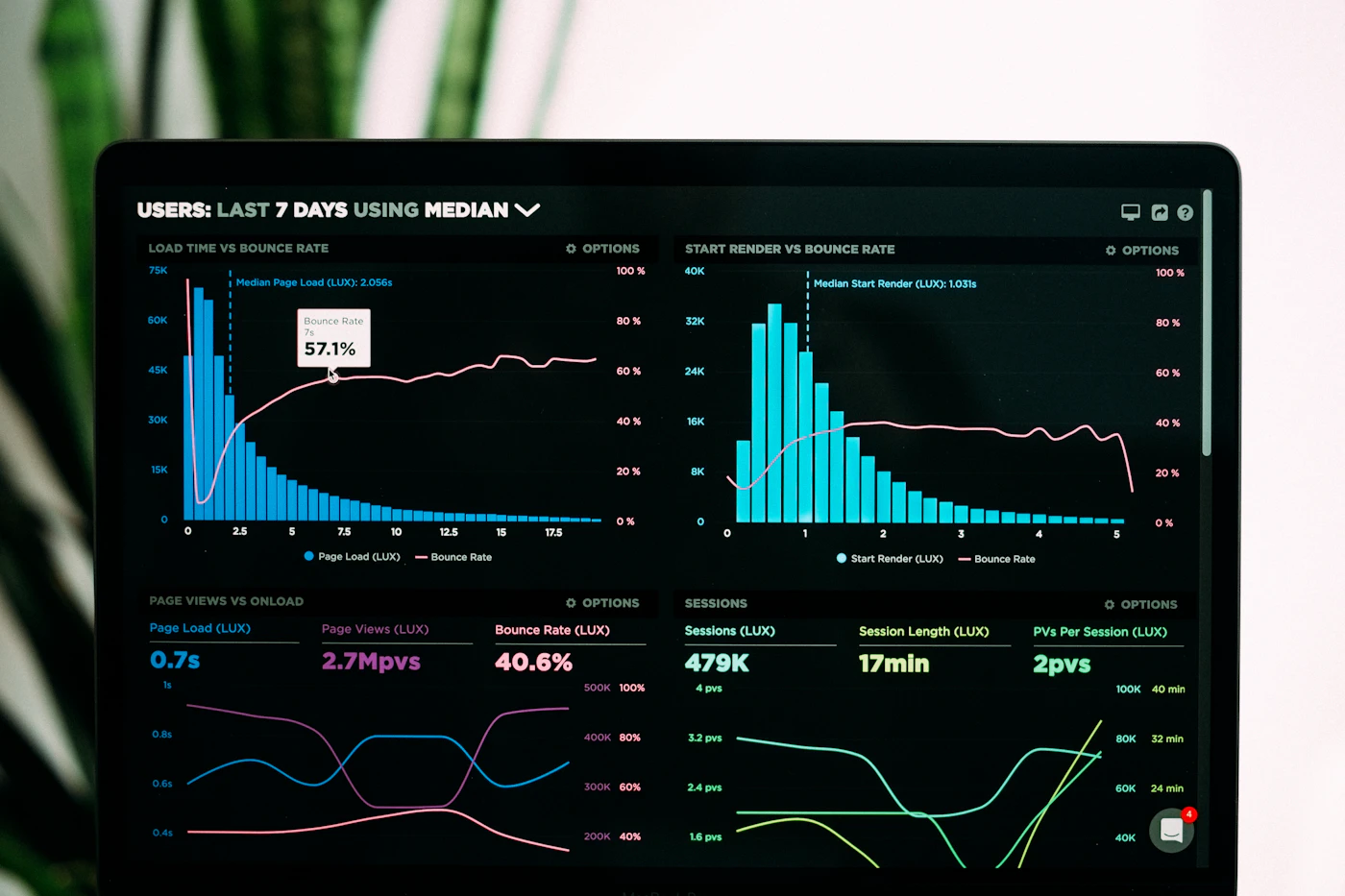
A roster that is full is not a P&L that is full. Occupied hours include warranty visits you did not bill, internal meetings that felt like production, and the job you took to ‘keep the team busy’ at a price that cannot carry the week.
Utilisation tools count presence. Contribution counts funding. When the two disagree, believe contribution. The team can be exhausted and still be a subsidy for a handful of accounts.
The busy trap in services
Professional and trade businesses love a high utilisation tile because it looks like discipline. It can also mean you accepted every enquiry that could fill a hole. Holes are not a strategy. Capacity should be reserved for work that meets the floor you wrote in the price architecture module — or for a named exception.
In Margin Architecture we treat utilisation as a supporting actor. The lead is mix. If mix is ugly, more hours make the ugliness faster.
A kinder question
Ask: of the hours we paid this week, which ones a customer funded at the floor? The remainder is either investment (training, maintenance) or leakage. Investment should be scheduled. Leakage should be named. Calling both ‘utilisation’ is how a dashboard becomes a lullaby.